
I-70 Road Conditions & Winter Driving Guide
I-70 Winter Driving Conditions Colorado
Planning a Colorado ski trip starts before reaching the mountains. Understanding I-70 winter driving conditions in Colorado helps you prepare for changing weather, mountain traffic, and travel delays. This guide explains what to expect and helps you decide whether driving or booking transportation better fits your trip.
Why I-70 Winter Driving Can Be Challenging
Interstate 70 connects Denver with many of Colorado’s most popular ski resorts. Every winter, thousands of visitors travel this route toward destinations such as Vail, Breckenridge, Keystone, Copper Mountain, and Silverthorne. During busy weekends, traffic increases as travelers head into the mountains at similar times.
Snowfall can quickly change driving conditions across higher elevations. Clear roads near Denver may become snowy only a short distance later. Mountain weather also changes faster than many first-time visitors expect. A sunny morning can become snowy before reaching the next mountain pass.
Drivers unfamiliar with mountain highways may find steep grades, sharp curves, and changing road surfaces more demanding than on normal highways. Winter storms can also slow traffic for several hours during peak ski weekends.
Understanding these conditions before leaving Denver helps travelers make better transportation decisions and avoid unnecessary surprises along the journey.
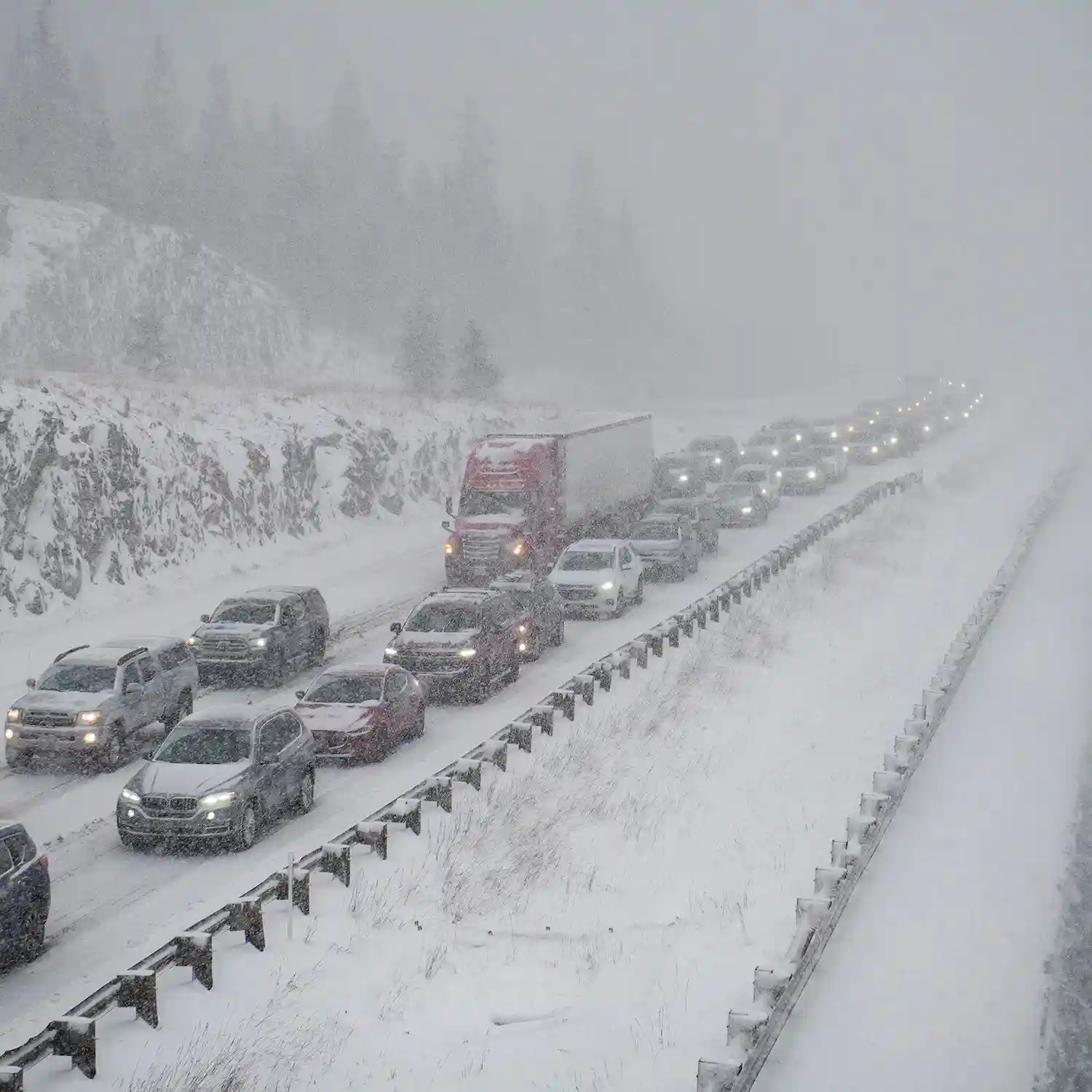
Common Winter Driving Conditions on I-70
- The weather affects Interstate 70 differently throughout the winter season. Some days bring dry pavement and clear skies. Other days include snowfall, icy pavement, reduced visibility, or slower traffic through mountain corridors.
- Many travelers search for whether I-70 is safe to drive in winter before leaving the airport. The answer depends on current weather, road maintenance, traffic, and your vehicle. Checking updated road reports before departure always helps you prepare more effectively.
- Heavy snowfall can increase travel time, especially around mountain passes and popular ski weekends. Drivers should also expect slower traffic near resort exits during holidays and school breaks. Even experienced drivers usually allow additional travel time whenever snow appears in the forecast.
- Another important factor involves the I-70 mountain corridor traffic. Traffic volume increases significantly on Friday afternoons, Saturday mornings, and Sunday evenings throughout the ski season. Planning around these periods may reduce unnecessary delays.
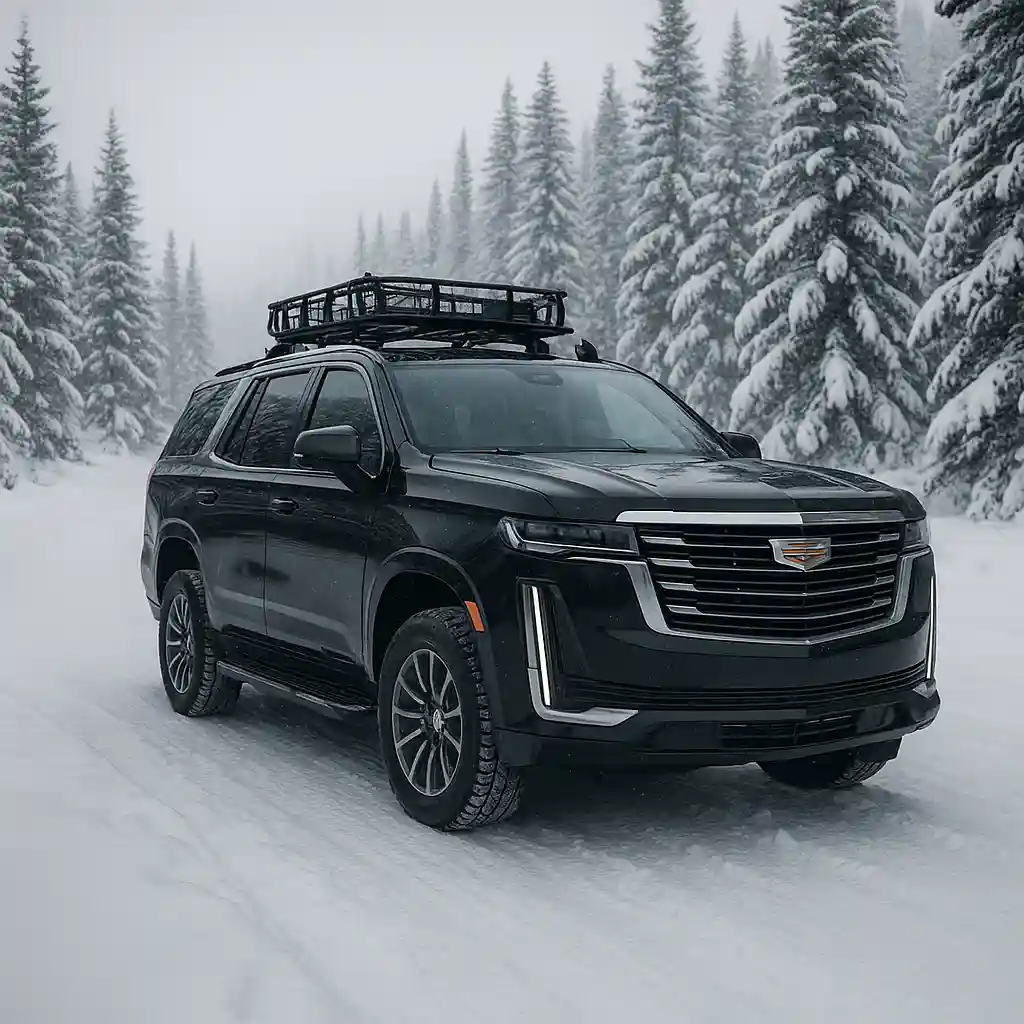
Book Ski Resort Transportation Instead
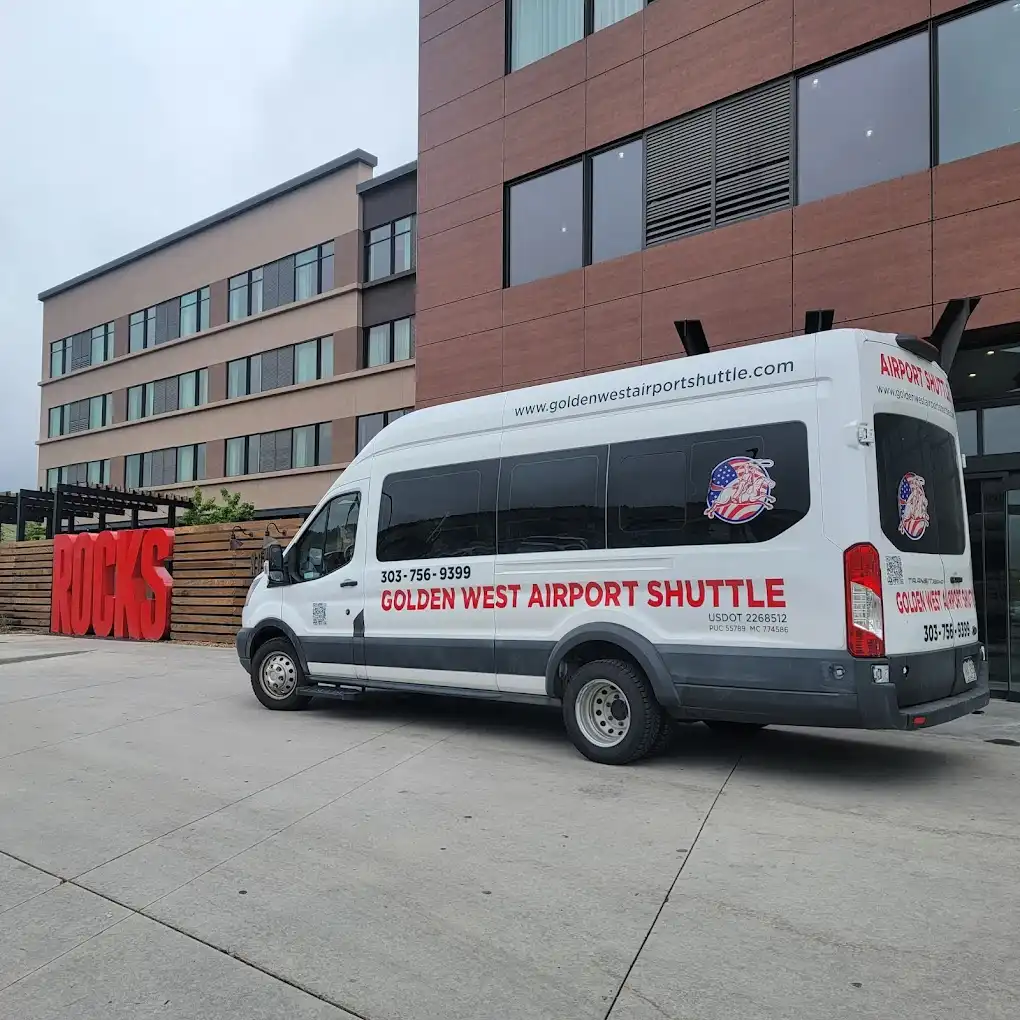
If mountain driving feels unfamiliar, transportation can become one less detail to manage during your vacation. Goldenwest Airport Shuttle provides direct airport transportation to many Colorado ski destinations, allowing travelers to focus on enjoying their trip rather than monitoring changing road conditions.
Whether you visit Breckenridge, Keystone, Copper Mountain, Vail, Winter Park, or other mountain resorts, our transportation options help families, couples, and larger groups begin their vacation with greater confidence.
Should You Drive or Book a Shuttle?
Many visitors automatically consider renting a vehicle after landing at Denver International Airport. However, driving may not always be the most practical choice during winter travel. Visitors unfamiliar with mountain highways often spend more time watching road conditions than enjoying the scenery.
A shuttle allows travelers to relax while someone else handles the drive. Families can spend time together, friends can plan their vacation, and business travelers can prepare for upcoming meetings without having to focus on changing road conditions.
Many ski groups also discover that one larger vehicle works better than several rental vehicles. Everyone arrives together with luggage and winter equipment in one place.
If you keep asking yourself whether to drive or take a shuttle to the ski resort, consider your group size, driving experience, weather forecast, and overall vacation plans. For many travelers, transportation becomes much simpler when someone else manages the mountain drive.
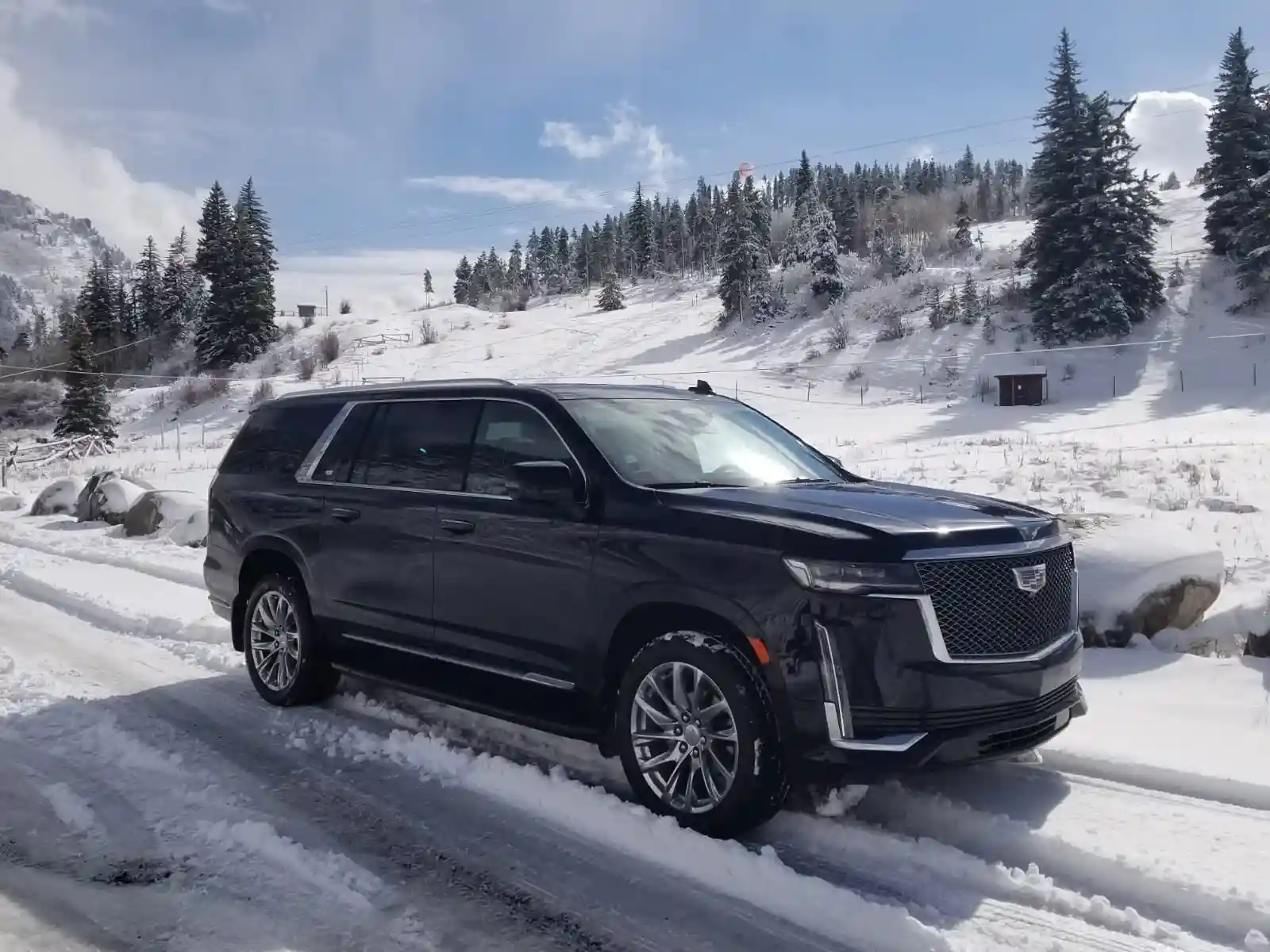
Colorado Chain Law Explained
Many visitors hear about Colorado’s chain law before heading into the mountains. The rule helps improve traffic flow and prepares vehicles for changing winter conditions. Searching the chain law in Colorado, I-70 before your trip helps you understand current requirements and avoid unexpected delays.
Colorado may activate different chain law levels depending on weather and road conditions. During certain storms, passenger vehicles need approved winter tires or suitable traction equipment. Commercial vehicles may have additional requirements based on state regulations.
Before leaving Denver, review the latest road updates from Colorado transportation officials. If conditions change during your trip, adjust your plans and allow additional travel time whenever necessary.
Tips Before Driving to the Mountains
Preparation makes every winter trip much easier. Check weather forecasts before leaving Denver and monitor road conditions throughout your journey. Pack winter clothing, water, snacks, and a fully charged phone before starting the drive.
Leave extra travel time during weekends, holidays, and major snowstorms. Mountain traffic can increase quickly even when road conditions remain clear. Keep your fuel tank at a comfortable level before climbing to higher elevations.
If several family members or friends travel together, discuss your transportation plans before arrival. Larger groups often discover that booking one shuttle creates a much simpler travel experience than coordinating several rental vehicles.
Frequently Asked Questions (FAQs)
When does Interstate 70 become busiest during winter?
Traffic usually increases on Friday afternoons, Saturday mornings, and Sunday evenings throughout the ski season. Holiday weekends and major storms may create additional delays.
Why do travelers search for " Is I-70 safe to drive in winter?
Many visitors have little experience driving on mountain highways during winter. Weather, elevation, and traffic conditions can change much faster than expected.
What does Colorado's chain law require?
Requirements depend on the weather and road conditions. During active restrictions, certain vehicles must carry approved traction equipment or meet winter tire requirements before continuing.
Should I rent a vehicle or reserve transportation?
That depends on your driving experience, group size, weather forecast, and destination. Many visitors choose airport transportation when traveling with family, friends, or winter equipment.
Can the weather change after leaving Denver?
Yes. Roads near Denver may remain clear while higher mountain areas receive snow. Checking weather updates before and during your trip always helps with planning.
Which Colorado ski resorts use Interstate 70?
Interstate 70 provides access to several popular destinations, including Breckenridge, Keystone, Copper Mountain, Vail, Frisco, and Silverthorne. Many travelers use this route throughout the winter season.
Why do larger groups frequently reserve airport transportation?
Keeping everyone together in one vehicle makes luggage handling, arrival planning, and mountain travel much easier. It also removes the need to coordinate several rental vehicles during the trip.