
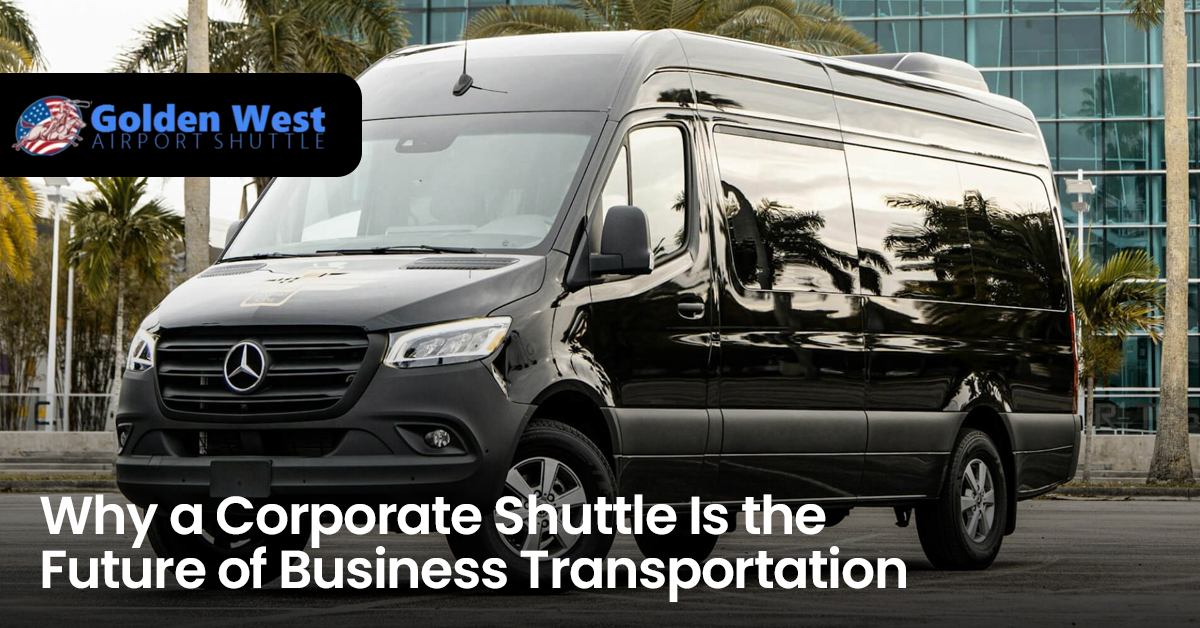
Why a Corporate Shuttle Is the Future of Business Transportation
The daily commute should not drain employees before work even begins. Yet traffic, parking pressure, and weak transit links still do. For growing companies, those delays can quietly affect the workplace. A corporate shuttle gives teams a planned, shared way to move. It can connect homes, transit hubs, offices, airports, and events.
That shift is about more than moving people together. Modern shuttle programs can support time, access, cost control, and growth. They can also adapt to hybrid schedules, live demand, and changing routes. This guide explains where the model works, where it struggles, and why. By the end, you can judge its value for your business.
What Is a Corporate Shuttle and Why Are Companies Using It?
A corporate shuttle is more than a bus between two points. It is a planned transport system built around workforce movement. Companies use it to connect employees with offices, stations, campuses, airports, and work sites. The goal is simple: make business travel more consistent.
How a Corporate Shuttle Works Each Day
Most programs begin with employee locations, work hours, and travel patterns. Companies then choose routes, pickup points, service times, and vehicle sizes. Some programs run fixed schedules, while others shift with demand. This structure explains how a corporate shuttle works each day.
A fixed route works well when attendance patterns remain fairly steady. Employees meet at planned stops, then travel together toward the workplace. Hub routes can connect train stations, parking lots, or major neighborhoods. Office-to-office service can also link teams across several business locations.
Flexible programs suit companies with hybrid schedules or changing shift demand. Routes can move based on office days, rider volume, and staffing needs. Some firms also use app booking, live tracking, and seat data. These tools help planners match service levels with actual demand.
Common corporate shuttle models can include:
- Fixed employee commute routes
- Transit hub connections
- Office-to-office shuttle loops
- Shift-based pickup routes
- Demand-led employee transport
Programs can also connect employees with existing public transit networks today. Station feeders reduce the final distance between transit and workplaces. Park-and-ride hubs can serve workers across wider residential areas. This model expands access without creating a separate route everywhere.
Where Corporate Shuttle Solutions Fit Within Business Travel
Corporate shuttle solutions can support more than daily employee commuting. Businesses may use them for campus loops, client visits, airports, conferences, and company events. Larger teams can also move together between offices or job sites. That makes the service useful across several business needs.
The vehicle mix depends on route length and group size. Sedans may fit small executive groups, while vans suit compact teams. Larger buses work better for high-volume employee routes and busy campuses. Choosing the right size helps control cost and rider comfort.
Companies often invest when parking demand begins hurting daily operations. A shuttle can reduce employee driving and lower parking pressure. It can also help staff reach sites with weak transit access. That matters for offices, warehouses, hospitals, plants, and remote work areas.
Another reason is workforce access during difficult commute hours. Early shifts and late shifts may not match public transit schedules. A corporate employee shuttle can fill that gap with planned service. This gives staff another commute option when normal choices remain limited.
More firms now treat commute support as part of workplace planning. Hybrid schedules, hiring needs, and site growth can change travel demand. A corporate transportation service can respond without expanding parking endlessly. That helps explain the growing interest in shuttle programs.
What Makes a Corporate Shuttle Program Work Well?
Reliability also depends on route planning, not just vehicle quality. Strong programs review traffic, stop locations, ride time, and rider demand. Companies may start with a small pilot before wider rollout. Early feedback can reveal weak stops, poor timing, or unused capacity.
A first program should begin with a clear operating purpose. Companies can test one route, shift, or office before scaling. Rider feedback should guide schedule changes after the pilot begins. This approach makes the investment easier to judge with real usage.
When Should Your Business Consider a Corporate Shuttle?
Businesses should consider a shuttle when transport problems become measurable. Frequent lateness, rising parking costs, hiring limits, or weak transit links matter. Growth across multiple offices can create another clear need. Hybrid work may also require more flexible company transport planning.
The best program fits the workforce instead of forcing one model. Companies should study who rides, when they travel, and why. That creates a stronger base for cost, service, and future growth. A corporate shuttle works best when business needs shape every route.

How Corporate Shuttle Services Support People and Business Growth
A corporate shuttle can turn commuting from a daily burden into support. Employees arrive with fewer transport issues competing for their attention. That can improve focus before meetings, shifts, or client work begins. For employers, that daily consistency can support stronger business efficiency.
Better Commutes Can Support Stronger Employee Productivity
Productivity gains often start before employees reach their desks. Reliable commuting can reduce late arrivals caused by parking searches. Shared travel time may also support reading, planning, or light work. That helps teams begin the day more prepared and work-ready.
Employee satisfaction can rise when commuting feels easier to manage. A planned ride removes some pressure from driving and parking. That can support workplace morale, especially during long daily commutes. Over time, better commute support may strengthen the employee experience.
Commute support can also influence employee retention and talent attraction. Workers often compare more than pay when judging an employer. Travel access, schedule fit, and daily convenience can shape that choice. A useful transport benefit may strengthen loyalty across key teams.
Shared travel can also support stronger team ties between coworkers. Employees spend informal time together outside meetings and work tasks. That can support company culture without forcing planned team events. The effect is small, but regular shared travel can still matter.
Cost Savings Can Extend Beyond the Daily Ride
Companies can also gain from lower demand for employee parking. Fewer individual cars may reduce permits, overflow lots, and related costs. That can create direct savings in some office locations. The value grows when parking space is limited or costly.
Growth can create transport problems before leaders expect them. New offices, larger teams, or longer commutes can strain access. A strong commute solution can support hiring across wider areas. That can help businesses grow without relying only on nearby workers.
Several corporate shuttle benefits can support wider business goals:
- Fewer parking needs can lower some site and permit costs.
- Steadier arrivals can support punctuality across teams and daily shifts.
- Commute support can strengthen hiring across wider talent areas.
- Shared rides may lower some travel impact when usage stays strong.
Environmental gains can appear when shared rides replace many separate cars. Fewer vehicles may reduce fuel use and road congestion overall. Actual results still depend on ridership and route efficiency. That makes employee use an important part of environmental value.
Measure Results Instead of Assuming Business Value
The business case becomes stronger when companies measure real outcomes. Leaders can track ridership, punctuality, parking demand, and employee feedback. Those measures help show whether the program supports company goals. They also make corporate shuttle roi easier for leaders to judge.
The strongest corporate shuttle benefits usually appear across several areas. Employees gain convenience, steadier travel, and less daily commute strain. Employers may gain retention, punctuality, parking savings, and wider hiring reach. Together, those outcomes can support lasting business success across growing teams.
Still, benefits should be measured instead of assumed by management. A weak route can waste money despite good intentions. Strong programs watch usage, employee needs, and operating costs closely. That keeps the service tied closely to real business results over time.
Business growth depends on systems that scale with workforce needs. Commute support can become one such system when demand grows. It can support new sites, changing shifts, and wider hiring. That makes transport planning part of broader business planning for leaders.
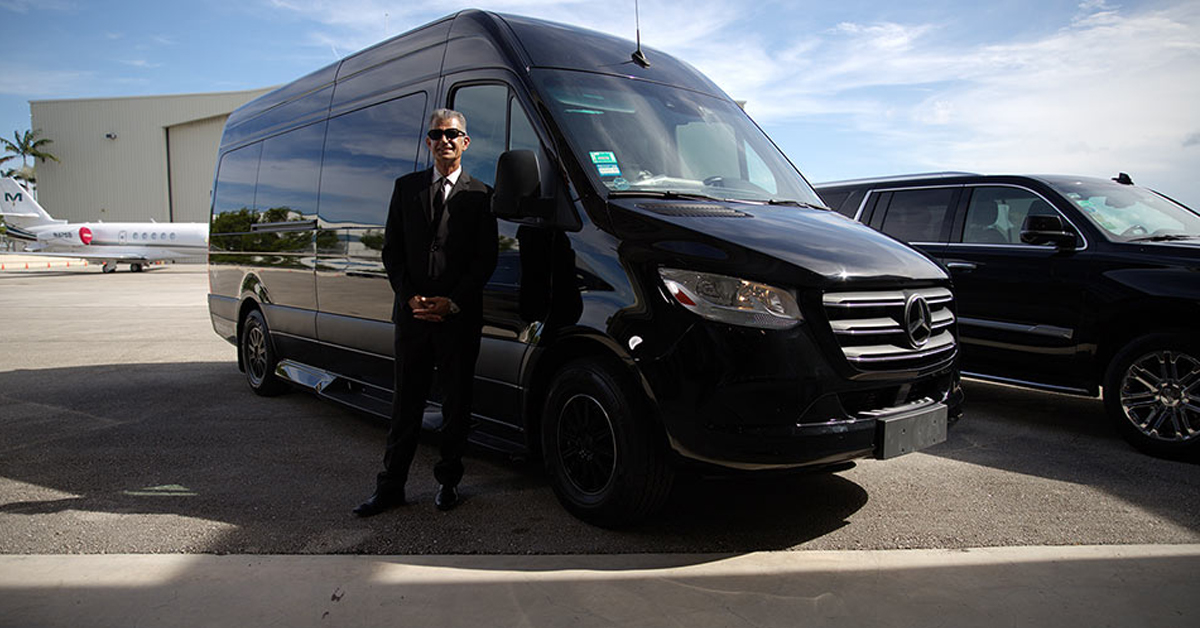
How Corporate Shuttle Programs Improve Employee Transportation
A corporate shuttle can change how employees experience the workday before arrival. Long drives, weak transit links, and parking delays can wear people down. A planned commute gives staff another way to reach work. That can make daily office travel feel more manageable.
Daily Commutes Work Better When Access Is Simple
Employee transport works best when pickup points match real travel habits. Stops near homes, transit hubs, or park-and-ride sites can reduce extra driving. Shift-based routes can also help workers traveling outside normal transit hours. That makes the commute more practical for varied teams.
Door-to-door service may suit smaller groups or special work sites. Larger programs often use shared stops to control trip time. The right model depends on worker density, shift times, and location spread. Good route design keeps access useful without making rides too long.
Remote-to-office travel also matters as hybrid work becomes more common. Employees may visit offices only on set days each week. A flexible commute program can match those changing attendance patterns. That helps firms avoid running full routes when rider demand stays low.
Better Commutes Can Support Work-Life Balance
Commuting stress can affect how employees feel before work begins. A shared ride removes the need to drive every day. Staff can read, rest, talk, or prepare for work. That can make the trip feel less draining over time for many.
For some workers, commute savings also include less fuel use. Others may save on parking, tolls, or daily car wear. These gains can make employee transport feel like real support. That matters when firms compete for skilled people across wider areas.
Employees often notice benefits that remove daily friction from work. A useful shuttle can show that leaders understand commute needs. That may support employee appreciation, loyalty, and stronger workplace ties. The effect grows when staff feel heard during route planning.
Employee Transport Can Strengthen Retention and Hiring
Commute quality can shape whether a job remains practical long-term. Workers may leave roles when travel becomes costly or tiring. A corporate shuttle cannot solve every retention issue alone. Still, it can remove one repeated reason for daily strain.
The service can also create a recruitment edge in hard-to-reach areas. Candidates without cars may gain another way to reach work. Firms can also hire beyond neighborhoods near the main office. That widens access to people who might otherwise decline.
Useful employee travel features may include:
- Pickups near major home or transit zones
- Routes matched with common shift start times
- Clear updates when schedules or stops change
- Feedback tools for route and timing concerns
- Travel options for teams without easy transit access
Strong Programs Listen to Employees
Employee satisfaction depends on how well the service fits daily needs. A route that looks efficient on paper may fail riders. Companies should ask where delays, long walks, or missed links happen. Staff feedback can reveal issues that schedule data misses.
Employee engagement can improve when riders help shape the program. Surveys, app feedback, and pilot routes can guide changes. That gives workers a voice in daily office transport. It also helps leaders see whether the service stays useful over time.
A better workplace does not come from transport alone. Still, commute support can remove a repeated source of stress. When routes fit real staff needs, the program can support wellness. That makes employee transportation part of a broader workforce plan.
The best corporate shuttle program should feel useful, not forced. It should fit work hours, travel zones, and rider demand. Companies that track use and listen can improve it steadily. That creates a commute option employees are more likely to keep using.
A better commute can improve the workday before employees arrive. Reliable transport helps reduce travel stress, delays, and daily uncertainty. A corporate shuttle gives staff a steadier way to reach work. That added ease can support focus, morale, and long-term job satisfaction.
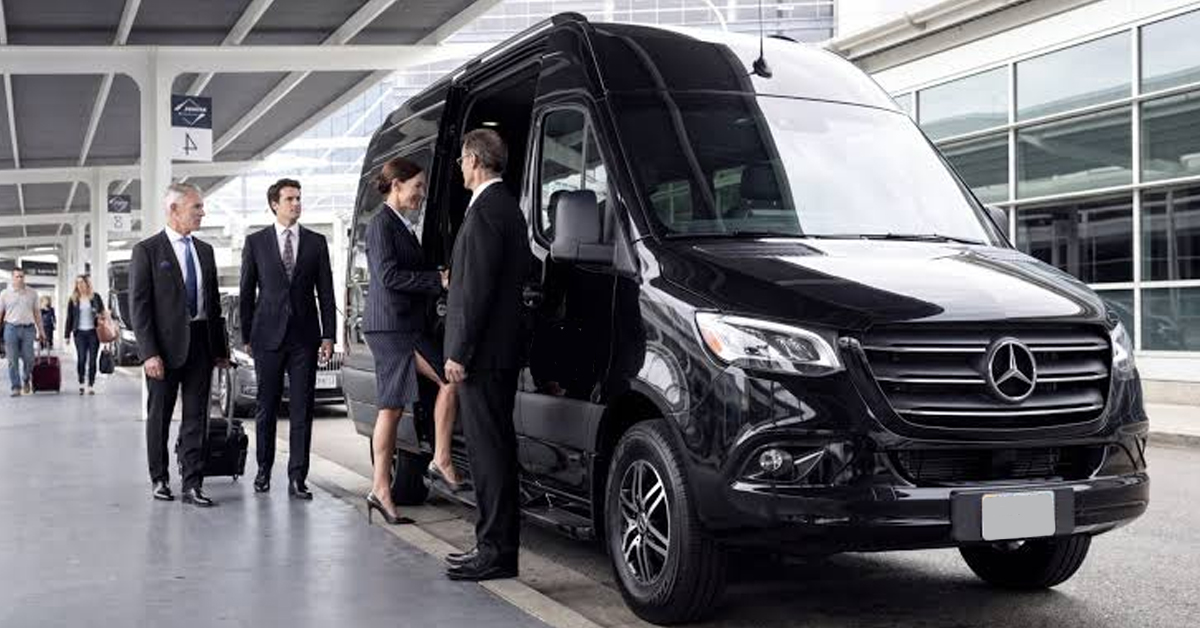
How Corporate Shuttle Services Compare With Other Business Transport Options
Business transport choices can look similar until scale changes the math. A corporate shuttle gives companies planned capacity, shared scheduling, and route control. Other options may offer more freedom for smaller travel needs. Their value can shift when passenger volume or frequency rises.
Rideshare and Taxis Work Better for Irregular Travel
Rideshare and taxi services fit short-notice travel and smaller passenger counts. They avoid fixed routes and can serve employees from many locations. Repeated bookings can still create uneven pricing during busy periods. Vehicle supply may also vary when demand rises sharply.
Comparing shared shuttle service with rideshare requires looking beyond one fare. One rideshare may cost less for a single employee. Regular group travel can favor planned transport when companies fill enough seats. Reliability can also improve when vehicles and schedules are reserved early.
Public Transit Costs Less but Gives Businesses Less Control
Public transit can reduce direct company spending where networks work well. Trains and buses may also serve dense urban office locations. Fixed schedules rarely match every shift or work site. Late business events can create another major daily service gap.
When comparing shuttle service with public transportation, control becomes a key factor. Businesses can set stops, timing, and route changes themselves. Public transit may cost less across well-served city areas. Planned service can save time when offices sit beyond major lines.
Company Cars Bring Freedom With Added Fleet Costs
Company cars give employees direct access for meetings and field travel. They work well when workers need independent movement during the day. Fleet ownership also brings maintenance, insurance, fuel, and parking costs. Replacement cycles and vehicle tracking add more operating work.
Comparing shuttle programs with company cars changes with total passenger volume. Shared vehicles can move more people with fewer company assets. Company cars remain useful for roles requiring independent travel. Shuttle routes fit repeated group movement between offices or sites.
Mileage Reimbursement Fits Occasional Employee Driving
Mileage reimbursement avoids company fleet ownership and lets employees drive themselves. It can work for occasional business trips and changing destinations. Frequent claims can become costly when workers share similar routes. Parking and toll claims can raise the total further.
A shuttle and mileage reimbursement comparison should include hidden daily admin work. Finance teams must review claims, rates, and travel records. Shared transport can simplify repeated group travel across common routes. Reimbursement remains better for trips that stay highly individual.
Executive Car Service Solves a Different Travel Need
Executive Shuttle service focuses on privacy, presentation, and individual schedules. It often suits senior leaders, clients, and small VIP groups. Shuttle service usually supports repeated employee movement or larger groups. Shared routes can also connect several business locations each day.
The difference between corporate shuttle and executive car service is mainly purpose. Executive transport supports high-touch travel for smaller passenger groups. Shuttle programs support scale across repeated workforce travel patterns. Companies may use both when their daily business travel needs differ.
Choose Transportation Based on Travel Patterns
No transport option wins across every business use case. Companies should compare passenger volume, route frequency, timing needs, and control. They should also include parking, maintenance, claims, and surge pricing. Staff time can also change the total business travel cost.
The best corporate transportation comparison looks beyond one trip price. Rideshare suits flexible low-volume travel, while transit suits strong public networks. Company cars support mobile roles, while reimbursement suits irregular trips. Shared shuttle programs fit repeated group movement at scale.
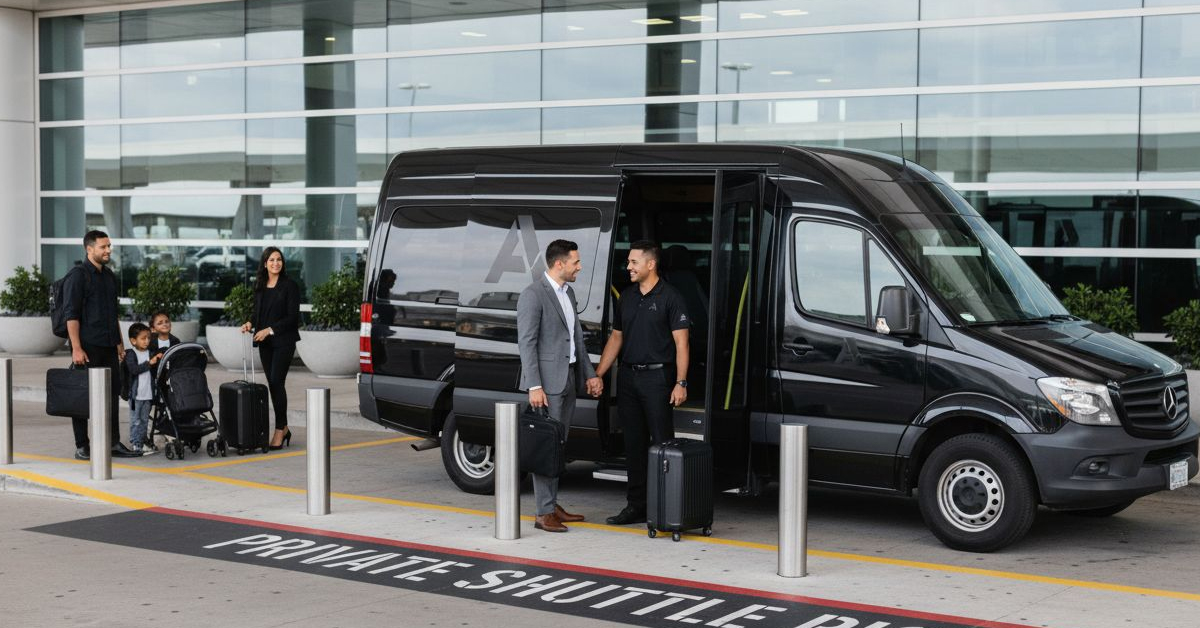
How Corporate Shuttle Programs Support Measurable Sustainability
A corporate shuttle can support greener business travel when routes stay efficient. Shared rides may replace many separate employee car trips each day. That can lower fuel use, traffic pressure, and parking demand. The environmental value grows when enough employees use the service.
Shared Travel Works Best When Vehicles Stay Productive
Sustainability gains depend heavily on how each route actually performs. A half-empty vehicle can weaken the expected carbon benefit quickly. Strong programs track ridership, mileage, stop density, and seat use. Those numbers show whether shared commuting truly reduces total travel impact.
Route planning matters because unnecessary miles increase fuel use and emissions. Companies can group nearby pickup zones and reduce long detours. Direct hub routes may also shorten daily travel for employees. Better routing supports lower emissions while keeping ride times practical.
Empty return trips can weaken the environmental case for shared transport. Companies should review deadhead miles between routes and depot locations. Better scheduling can pair trips and reduce unnecessary vehicle movement. This keeps the green program tied to real operating data.
Electric Fleets Can Strengthen a Greener Transport Strategy
Electric vehicles can strengthen an eco-friendly corporate shuttle program further. They remove tailpipe emissions during daily operations and reduce fuel use. However, charging access, route range, and fleet cost still matter. Businesses should compare vehicle needs before shifting every route to electric.
Future planning should connect fleet choices with wider environmental strategy. Electric vehicles, cleaner fuels, and smarter routing can work together. Cloud tools may also improve reporting across routes and sites. That creates a stronger base for long-term green transportation decisions.
A shuttle program can also reduce pressure on workplace parking areas. Fewer employee cars may lower demand for permits and overflow lots. That can free valuable space for other business or site needs. Parking reduction can therefore support both cost and environmental goals.
Corporate Shuttle Data Can Support ESG Reporting
Employee commuting can form part of a company’s indirect emissions profile. Some firms track these trips within broader Scope 3 reporting. A corporate shuttle can provide clearer travel data than scattered commutes. That data may support more accurate sustainability reporting over time.
ESG goals become more useful when companies link them with measurements. Businesses can track vehicle miles, ridership, occupancy, and fuel type. They can also estimate reduced single-car trips across common routes. Clear data helps show whether transport efforts support stated goals.
Useful sustainability measures may include:
- Average riders per scheduled trip
- Vehicle miles across each route
- Fuel or electricity consumed
- Single-car commute trips replaced
- Workplace parking demand reduced
Public Transit Links Can Extend Sustainable Commuting
A greener workplace also depends on how employees reach transit hubs. Shuttle links can connect offices with trains, buses, or park-and-ride sites. That supports sustainable commuting without replacing public transit systems. It can also help employees avoid driving the full distance.
Employee use also decides whether sustainability goals become real outcomes. Workers need stops, times, and booking tools that feel practical. Firms can use surveys to learn why riders skip routes. Higher adoption can improve both emissions results and program value.
Sustainability ROI Should Be Measured, Not Assumed
Sustainability should also include program cost, not only carbon totals. A route that wastes money may not remain active long. Companies should compare operating costs with parking, fuel, and travel savings. That makes sustainability ROI part of the business case.
The strongest environmental strategy combines efficient routes, steady ridership, and suitable vehicles. It also reviews results instead of relying on broad claims. When these pieces work together, corporate shuttle sustainability becomes measurable. That gives leaders stronger evidence for long-term transport planning.
How Corporate Shuttle Services Simplify Business Travel and Events
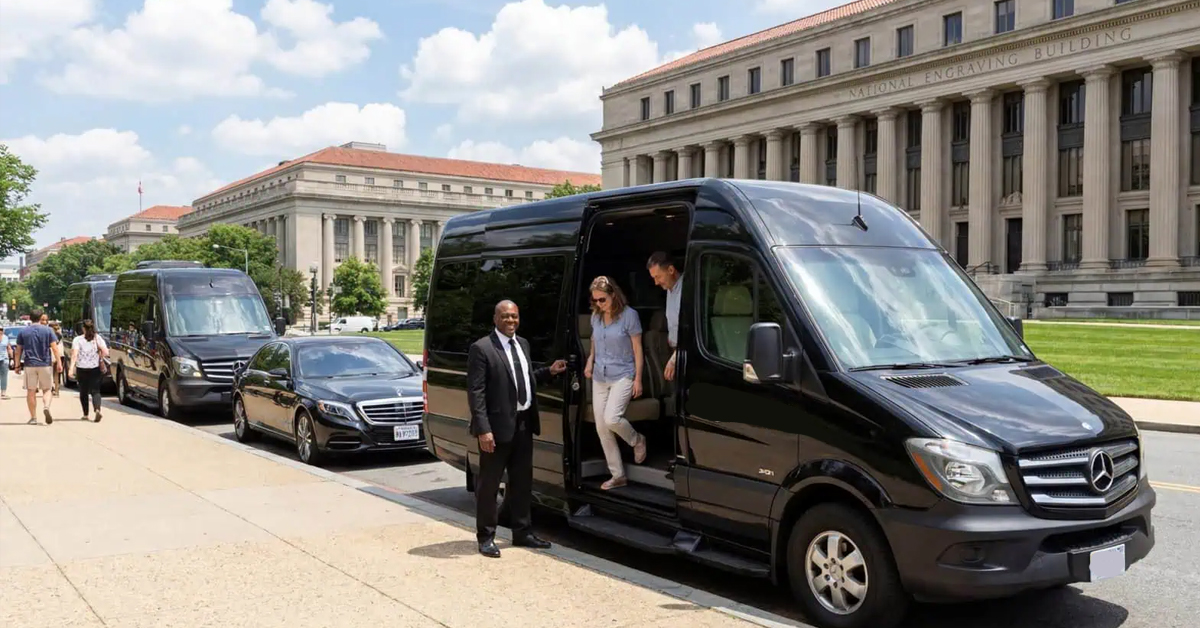
Business travel becomes harder when several people follow separate transport plans. Meetings, flights, conferences, and events all depend on precise timing. A corporate shuttle can bring those movements under one travel plan. That gives teams clearer coordination before important business activity begins.
Keep Business Meetings and Client Visits on Schedule
Business meetings often involve visitors arriving from several hotels or offices. Separate rides can create late arrivals and uneven meeting start times. Planned corporate shuttle meeting transportation keeps attendees on one shared schedule. That makes group movement easier for travel teams to manage.
Client meetings can require a stronger level of travel coordination. Guests may not know local roads, parking rules, or office entrances. Direct transport gives them one clear route to the meeting. It also supports a more polished arrival for important business visits.
Manage Conferences and Corporate Events More Easily
Large conferences create transport pressure before sessions even begin each day. Attendees may travel from hotels, airports, and overflow parking areas. A corporate shuttle for conferences can connect those points efficiently. Shared schedules also help organizers manage repeated group travel windows.
Event logistics improve when pickup zones and departure times stay clear. Organizers can assign vehicles by venue, hotel, or attendee group. That reduces confusion when hundreds of people leave together afterward. It also gives travel managers better control over event transportation.
Common business event routes may include:
- Hotel to venue loops
- Airport to conference transfers
- Executive and speaker transport
- Post-event return routes
Coordinate Airport Transfers and Executive Travel
Airport transportation can become difficult when several executives arrive separately. Flight changes may also shift pickup needs across the day. Corporate shuttle airport transfer planning can group arrivals by timing. That helps offices manage drivers, vehicles, and onward schedules better.
Executive travel needs more privacy, comfort, and schedule control than group routes. Senior leaders may travel between airports, offices, and client meetings. Smaller premium vehicles can support corporate shuttle executive travel needs. The service remains part of one wider travel program.
Office-to-airport transport can also support planned business departures. Teams can leave together instead of booking several separate cars. That helps travel managers control meeting endings and airport arrival timing. It also keeps luggage and business groups moving together.
Bring Corporate Travel Management Under One Plan
Travel managers benefit when business transport uses fewer separate bookings. One program can cover meetings, events, airports, and office transfers. Trip records become easier to review across departments and cost centers. That can simplify corporate shuttle travel management for repeat needs.
Central planning also helps teams respond when schedules change suddenly. Vehicles can be reassigned when meetings move or flights shift. Dispatch teams can update drivers without rebuilding every trip manually. That flexibility matters during busy conferences and multi-day business events.
Support a Stronger Business Image
Business travel also shapes how visitors experience a company in person. A clean vehicle and timely arrival can support business professionalism. That matters for clients, speakers, candidates, and senior company leaders. Transport becomes part of the wider corporate travel experience itself.
Professional image should still match the purpose of each trip. A luxury sedan may suit a client meeting or executive transfer. A larger coach may serve conference groups more effectively. Vehicle choice should follow passenger needs instead of status alone.
Match the Service With Each Business Travel Need
Corporate travel works best when transport matches the event structure. Fixed groups benefit from shared schedules and planned meeting points. Smaller executive trips may need more private, flexible vehicle service. Strong planning keeps both options within one coordinated travel system.
The strongest corporate shuttle business travel plan reduces separate decisions. It connects people, places, and schedules before travel starts. That helps meetings begin on time, and events move smoothly. It also gives companies clearer control over group travel logistics overall.
How Technology Is Shaping the Future of Corporate Shuttle Services
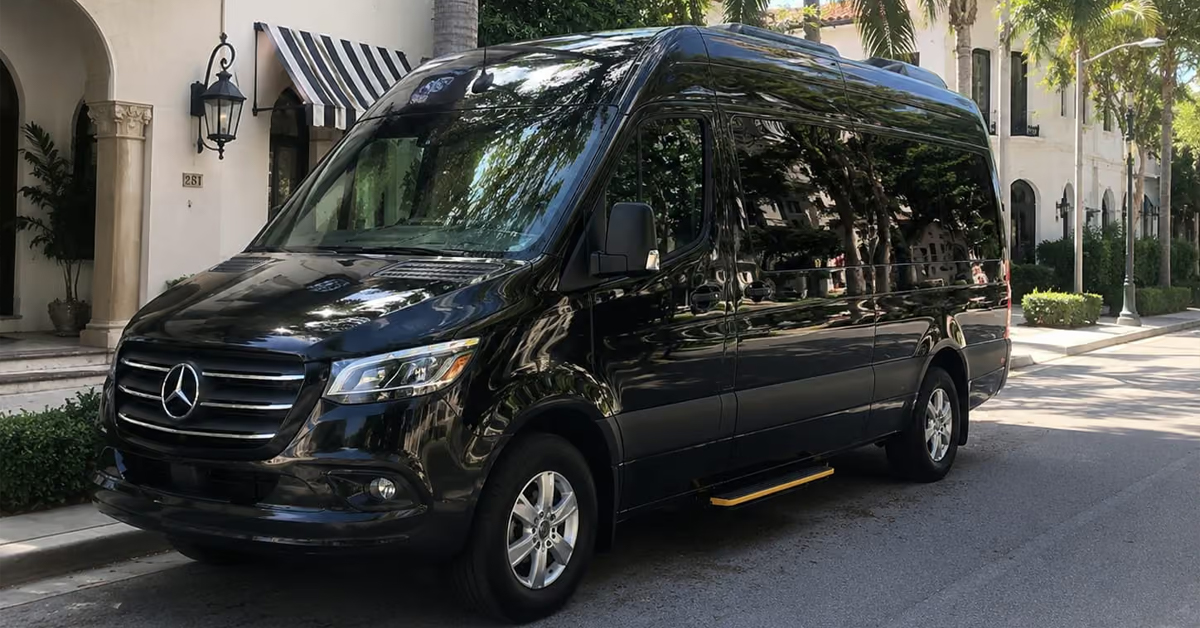
Business transport is moving from fixed schedules toward smarter daily systems. A corporate shuttle can now respond to demand, rider data, and changing work patterns. The next stage will link vehicles, apps, routes, and reporting. That shift can make employee mobility far more responsive.
Real-Time Technology Is Changing Daily Shuttle Operations
Real-time tracking gives riders clearer arrival details during each trip. Mobile apps can handle bookings, alerts, and route updates quickly. Cloud platforms can give managers one view across several locations. These tools reduce guesswork while making service changes easier to manage.
Automated scheduling can also match vehicles with changing rider demand. Hybrid work makes this useful because office attendance varies daily. Booking data can show which routes need more seats. It can also reveal where empty capacity creates avoidable operating costs.
AI and Data Can Improve Demand Planning
Artificial intelligence can support demand prediction using patterns in travel data. It may compare bookings, attendance, traffic, and past route use. Managers can then adjust service before demand changes become costly. Human review still matters because unusual events can change travel needs.
Route optimization can shorten weak detours and improve daily vehicle use. Data analytics can track ridership, missed trips, and route times. Heat maps can reveal where employee demand is growing. Those insights help teams make route changes with stronger evidence.
Smart Fleet Management Connects Vehicles and Operations
Smart fleet management connects vehicles with dispatch and service records. GPS data can show route progress and unexpected delays. Connected sensors may also report vehicle condition or maintenance needs. This gives operators earlier signals before small issues disrupt daily service.
Useful fleet technology can support several daily tasks:
- Live vehicle location updates
- Automated seat and route planning
- Ridership and demand reports
- Fleet maintenance alerts
Companies should watch how technology improves daily service, not just novelty. The strongest tools should reduce wait times and poor vehicle use. They should also make booking and communication easier for riders. Practical gains matter more than adding features nobody needs.
Electric and Autonomous Vehicles Will Develop Differently
Electric vehicles will likely play a larger role in shuttle fleets. Their fit depends on route length, charging access, and daily mileage. Companies should match electric vehicles with routes that suit them. Better planning can support lower emissions without weakening service reliability.
Autonomous vehicles may influence corporate transport over the longer term. However, adoption will depend on law, infrastructure, and operating limits. Businesses should treat driverless shuttles as an emerging option, not certainty. Near-term gains will come from smarter management tools first.
Hybrid Work Is Reshaping Employee Mobility
Hybrid work is also changing what employee mobility must provide. Fixed five-day schedules may waste capacity when office attendance changes. Flexible booking can help shuttle programs follow real rider demand. That keeps service closer to the modern workplace and its patterns.
Future-ready programs will combine technology with clear operating judgment daily. Managers still need rider feedback, service targets, and backup plans. Software can improve decisions, but it cannot replace every human choice. Strong programs will use data without ignoring employee experience.
Future-Ready Transportation Must Stay Practical
Future employee mobility will become more flexible, connected, and measurable. Companies can use data to shape routes as workplaces change. Smart transportation works best when technology supports actual rider needs. That balance can make shuttle programs more future-ready today.
FAQs
What is a corporate shuttle service?
A corporate shuttle moves employees between offices, hubs, events, and worksites. Companies use it to support planned travel and daily workforce mobility.
Why are more companies investing in corporate shuttle programs?
Companies want better commute access, steadier travel, and lower parking pressure. Shuttle programs can also support hiring, retention, and workforce planning.
Is a corporate shuttle cheaper than rideshare or company cars?
The answer depends on ridership, route use, and travel frequency. Shared transport often gains value when many employees follow similar routes.
Can corporate shuttles support hybrid work schedules?
Yes, flexible routes can match changing office attendance and shift demand. Booking data and live tracking help companies adjust service levels.
How can technology improve corporate shuttle services?
Apps, GPS, data tools, and automated scheduling improve daily coordination. They can support route planning, demand forecasting, and fleet management.